Visual Understanding
(**) Visualizing and Understanding Convolutional Networks, ECCV, 2014, paper
Problem
- Large Convolutional Network models have recently demonstrated impressive classification performance on the ImageNet benchmark
- However there is no clear understanding of why they perform so well, or how they might be improved, or how they might be improved.
Contribuctions
- We introduce a novel visualization technique that gives insight into the function of intermediate feature layers and the operation of the classifier.
Results and Conclusions
-
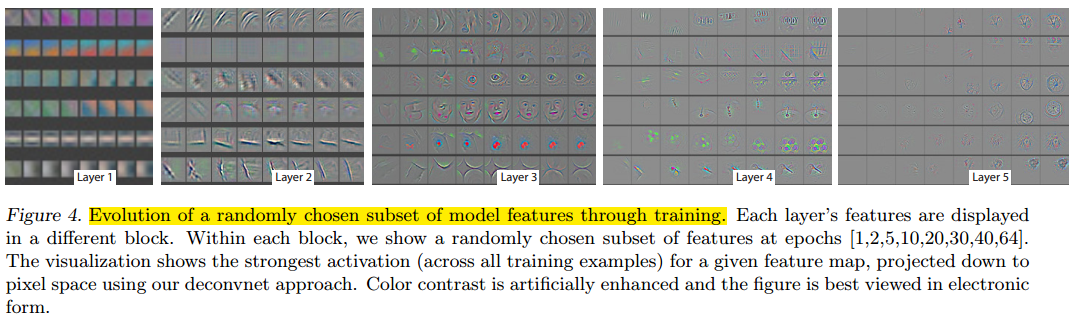
Weight Evolution
-
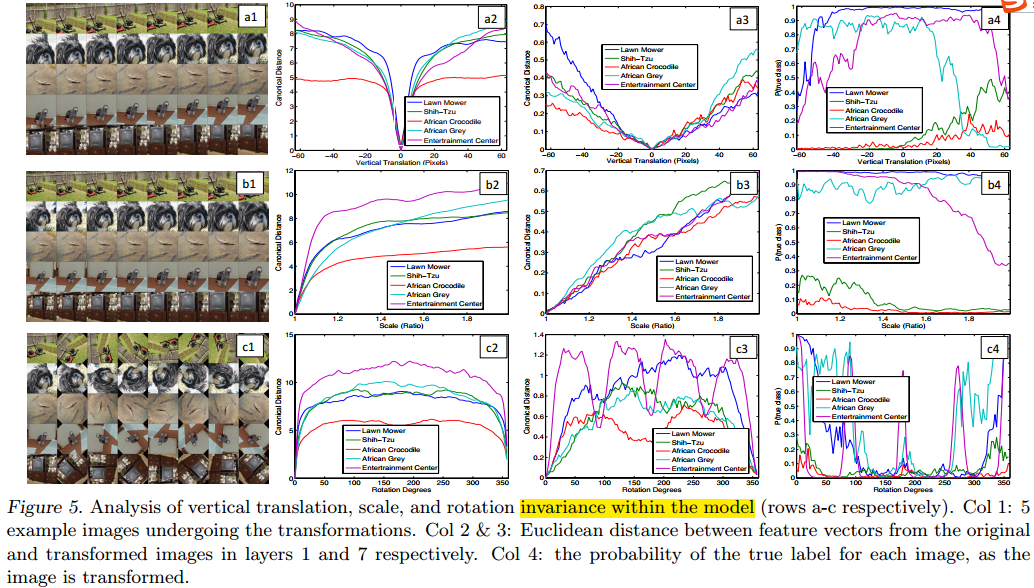
Invariance Analysis
-
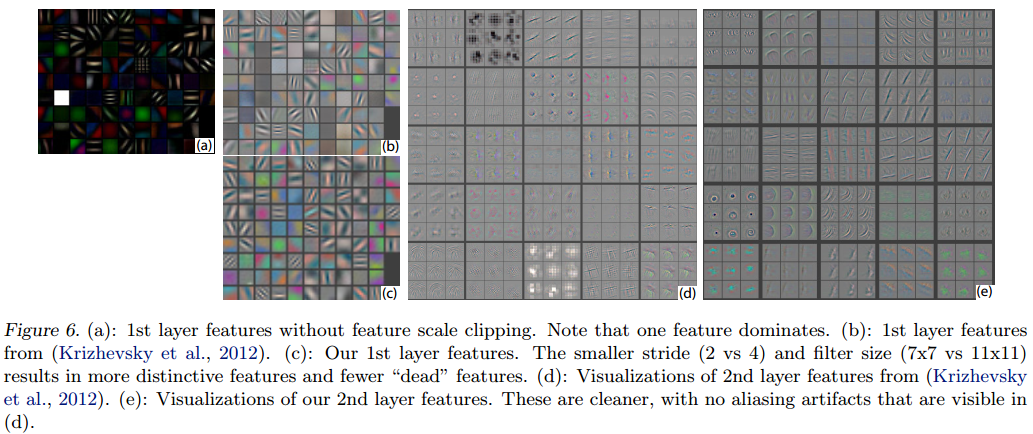
Architecture Selection
-
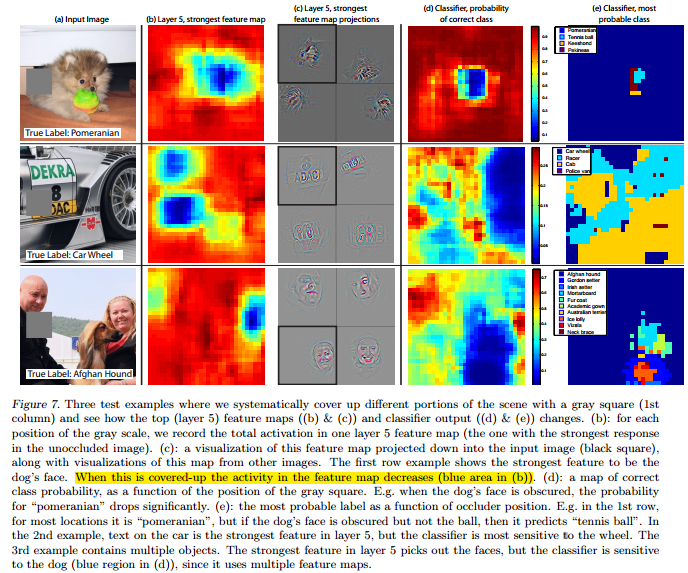
Occlusion Sensitivity
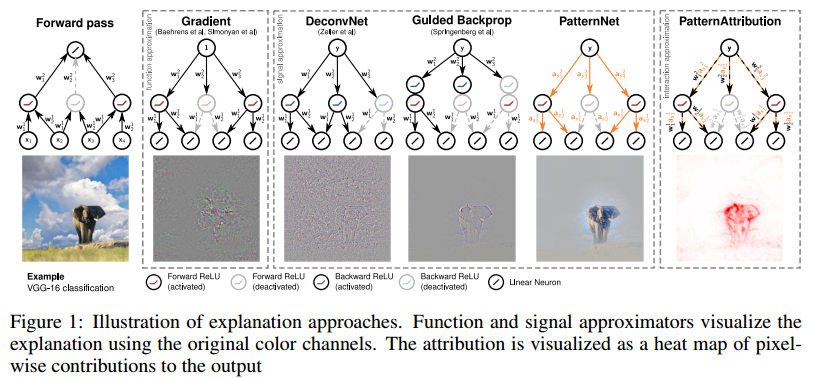
(***) Learning How to Explain Neural networks:PatterNnet and PatternAttribution, arXiv, 2017, paper
Problem
- While deep neural networks learn efficient and powerful representations, they are often considered a ‘black-box'.
- On the basis of our findings, we then propose PatternNet and PatternAttribution, which alleviate these flaws.
- Finally we apply our methods to practically relevant networks and datasets, and show that our approach produces qualitatively improved signal visualizations and attributions
Contribuction
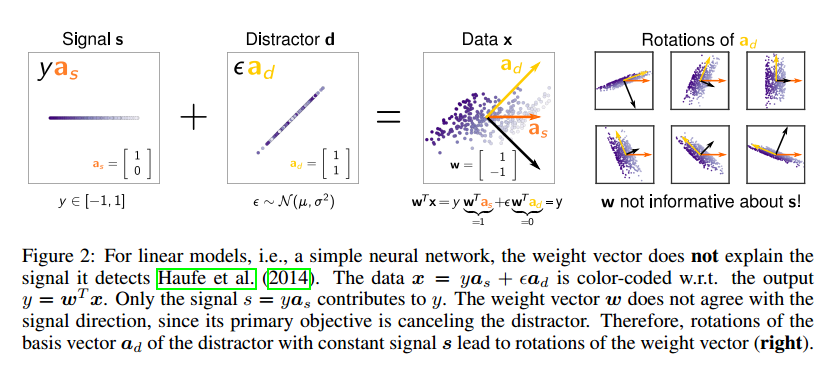
- We first take a step back and analyze explanation methods in the context of the simplest neural network setting: a purely linear model and data stemming from a linear generative mode.
- On the basis of our findings, we then propose PatternNet and PatternAttribution, which alleviate these flaws.
- Finally we apply our methods to practically relevant networks and datasets, and show that our approach produces qualitatively improved signal visualizations and attributions.
Method
Result